

The Journey of Wild Kopi Luwak: From Cherry to Cup
The world's rarest coffee can't be rushed. Here's every step, from the forest floor to your morning ritual.
How Is Kopi Luwak Made? Six Steps From Forest to Cup
How is kopi luwak made? A wild civet eats ripe coffee cherries, the seeds pass through it whole, and collectors gather the droppings from the forest floor. The beans are semi-washed, dried, manually dry-hulled, sorted, graded, and roasted to order. Every step below happens in Aceh Tengah, and none of it involves a cage. People search this both ways, how is kopi luwak made and kopi luwak how is it made; the six steps below answer both.
01
The Forest
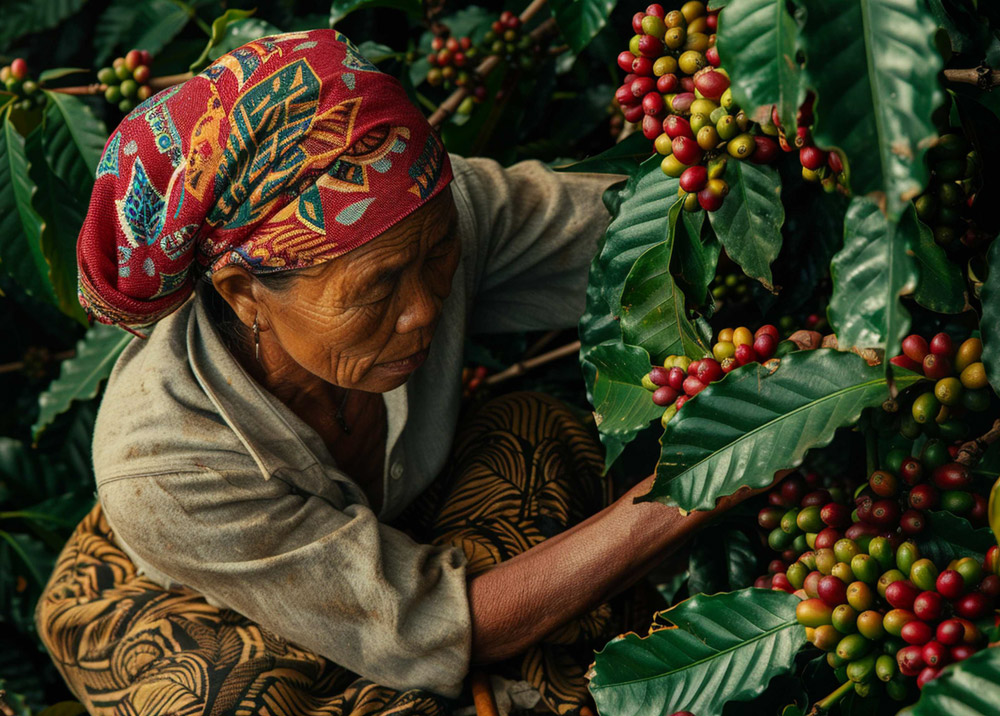
It starts in the wild highlands of Aceh, where coffee grows under forest shade at 1,200+ meters — the altitude and climate that give the bean its depth.
02
Nature's Selection
Free-roaming luwaks forage at night. Luwak is the Indonesian name for the wild Asian palm civet (Paradoxurus hermaphroditus), the luwak coffee animal behind every cup, and it chooses only the ripest, sweetest cherries by scent. No human, and no machine, can match that instinct.
That is wild production. In caged production, the civet luwak is confined and fed coffee cherries only, to force volume. We do not source from cages, and MPKG certification is how you can check that.
03
Natural Fermentation
As the cherries pass through the civet, digestion changes the bean’s proteins. Research suggests this is one reason many drinkers find kopi luwak smoother and less bitter; we explain the evidence in why kopi luwak is less bitter. For every step in the luwak coffee process, from forest floor to roaster, read our full guide.
04
Careful Collection
Our foragers gather the beans by hand from the forest floor, then wash and sun-dry them with care. Because it’s wild, the harvest is always limited.
05
Small-Batch Roasting
We roast to order in small batches, in light, medium, or dark, and cup every batch at 84+. Expect vanilla and chocolate first, almond and a nutty sweetness through the middle, and a gentle herbal spice on the finish.
06
Your Cup
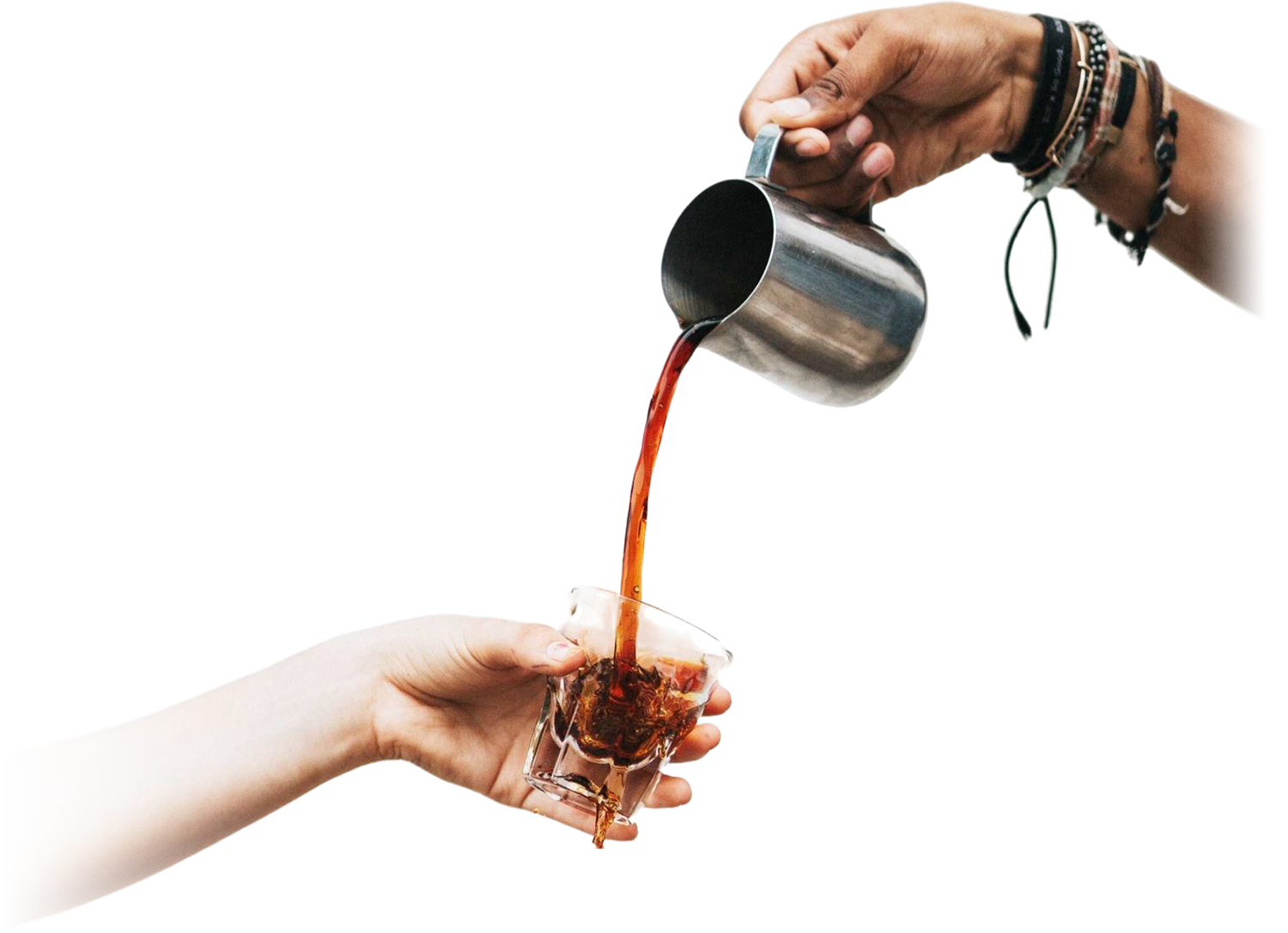
Sealed for freshness and shipped to your door in the US, UK, and beyond. All that’s left is to brew, sip, and savor.
Where the Beans Come From
Every batch traces back to the forest edges and shade-grown gardens around Takengon, Bener Meriah, Angkup, Sukarame, Bies, and Pondok Baru in Aceh Tengah, at 1,200 to 1,700 metres on volcanic soil. Because the coffee is wild, the harvest is whatever the season gives. That is the constraint behind the price, and the reason we sell it 100 grams at a time.