

Alamid coffee is civet coffee from the Philippines: beans that an Asian palm civet, called alamid in Tagalog, has eaten and passed, then collected, washed, dried and roasted. It is the same idea as Indonesia’s kopi luwak, from the same species of animal, with its own regions, its own price band and its own version of the wild-or-caged argument.
This guide covers what kape alamid is, where it comes from, what the Philippine press has reported it costs, and how it compares with the wild kopi luwak we collect in Aceh. We are an Indonesian producer, so we have a view. We have tried to keep the Philippine facts to what Philippine sources say.
Last updated: 12 November 2026
What Alamid Coffee Is
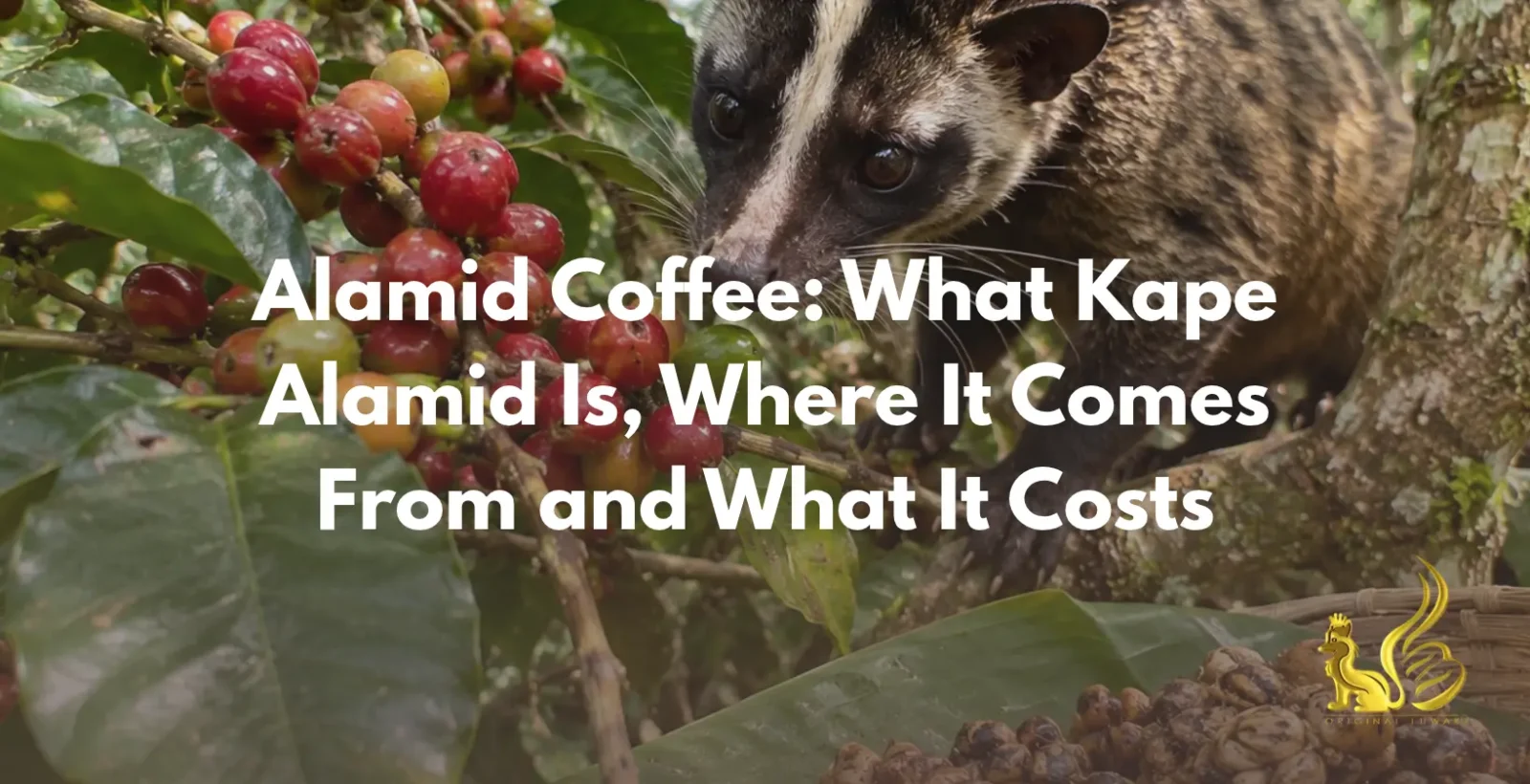
Alamid coffee, or kape alamid, is the Philippine form of civet coffee. Alamid is the Tagalog name for the Asian palm civet, Paradoxurus hermaphroditus, the species Indonesians call luwak. Animal Diversity Web puts the species’ range from India and Sri Lanka east through southern China and mainland Southeast Asia to Indonesia and the Philippines, so the civet in a Batangas coffee grove and the civet in an Aceh shade garden are one species. If the whole category is new to you, start with our guide to what is civet coffee, which explains how the bean is changed inside the animal and why that matters in the cup.
The method is the one used across the region. A Philippine Daily Inquirer report on research at De La Salle University, a study that began in 2008, describes farmers in Batangas and Cavite collecting beans from civet droppings in the morning, while the animals sleep, then storing, washing, sun-drying, air-drying and roasting them. The civet eats the ripe cherry for its pulp. The bean passes through, and the collector’s job is to find it.
What differs is the coffee itself and the forest around it. Alamid coffee is collected from Philippine coffee areas with their own varieties, altitudes and rainfall, so you should not expect a Philippine cup and a Gayo cup to taste the same, even though the animal is identical.
Where Alamid Coffee Comes From
Alamid coffee comes from scattered upland coffee areas across the Philippines, not from one named origin. Philippine press reports place collection in Batangas and Cavite south of Manila, on Mt. Malarayat in Lipa, Batangas, and on Mt. Matutum in South Cotabato on Mindanao, with Davao City as a trading reference point for prices. That spread, from Luzon to Mindanao, follows the civet’s own range rather than any single plantation belt.
Some of the supply is community based. In August 2013 Philstar.com reported that the Department of Agrarian Reform in Iloilo planned to help an Aeta community at Nagpana, Barotac Viejo, develop alamid coffee from the civets living on its 938 hectares of forest land, with a proposed 1 million peso processing centre and an estimated harvest of more than 10 tons of coffee a year from the Aetas’ backyards. The same report quoted a Davao City market price of 8,000 to 12,000 pesos per kilo.
That is the honest shape of the Philippine supply: small, seasonal and dependent on how many wild civets live near coffee. It is the same constraint we work under in Aceh Tengah, where our harvest areas sit between 1,200 and 1,700 metres and a cherry takes nine months to ripen from flower.
What Alamid Coffee Costs
Alamid coffee prices in the Philippine press cluster in a wide band, which is itself the most useful thing they tell you. The Inquirer report on De La Salle University’s research into kape alamid quoted 250 to 500 pesos per cup and 2,500 to 5,000 pesos per kilo. A GMA News report in November 2013 quoted local brands at 13,000 pesos per kilo and up to 25,000 pesos per kilo, with beans selling overseas at 200 to 400 US dollars per kilo. The Iloilo report above sits in between at 8,000 to 12,000 pesos.
A tenfold spread between the cheapest and dearest figure is not noise. It is the wild-or-caged gap, the same gap you see in kopi luwak. Caged production makes volume on demand and prices accordingly; wild collection cannot. The dated reports are from 2013 and the Inquirer piece carries no date online, so the figures will have moved. Treat them as the shape of the market rather than today’s price list.
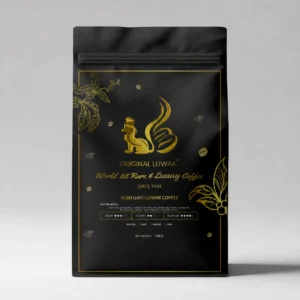
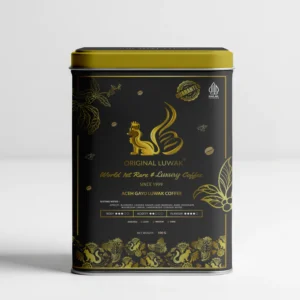
For comparison, our own wild kopi luwak sells at $79 for a 100g pouch and $99 for the 100g gift tin, which our kopi luwak price guide sets against the per-kilo market, including why verified wild lots sit far above the cheapest bags.
If you want to taste the Indonesian original rather than read about the Philippine one, the 100 g pouch is collected from wild civets in Aceh Tengah, cupped at 84+ per batch and roasted to order.
Wild or Caged: The Same Question in Two Countries
Alamid coffee carries the same welfare question as kopi luwak, and the Philippine debate has been public since at least 2013. The GMA News report above describes a PETA Asia-Pacific campaign, with a video released that October, calling for a ban on coffee from caged civets and accusing some sellers of labelling caged-sourced beans as wild. It quotes the president of the Philippine Coffee Board saying the board does not support caging civets but is not a policing body. One producer quoted in the report admitted caging civets; another said it buys only wild-collected beans and drops suppliers caught caging them.
Both production models exist in both countries, and the honest description of the caged one is the same everywhere: civets confined in small cages and fed a diet dominated by coffee cherries to force volume. In Indonesia, a 2016 study in Animal Welfare documented those conditions at civet coffee tourism plantations in Bali. Our full answer to is kopi luwak cruel covers both models and what a buyer can check.
At Original Luwak the beans come from wild, free-roaming civets in Aceh Tengah, never from cages, and the claim comes with a mechanism you can inspect: MPKG certification from the Gayo Coffee Protection Community, traceability to six named harvest areas, and a cupping score of 84+ per batch from a CQI-certified Q Grader. The documents are on our certifications page. Ask any alamid coffee seller for the equivalent before you pay a wild price.
Alamid Coffee vs Kopi Luwak, Side by Side
Alamid coffee and kopi luwak are two national names for one process, so the comparison is about origin, verification and what reaches the cup rather than about the animal. The table sets out what a buyer can actually check.
| Fact | Alamid coffee (Philippines) | Wild kopi luwak from Original Luwak |
|---|---|---|
| Animal | Asian palm civet, alamid | Asian palm civet, luwak |
| Where collected | Scattered upland areas, Luzon to Mindanao | Six named harvest areas in Aceh Tengah, 1,200 to 1,700 m |
| Wild or caged | Both models reported; no single standard | Wild only, covered by MPKG certification |
| Quality check | Varies by seller | 84+ cupping per batch by a CQI-certified Q Grader; screen 15 to 19, moisture under 13% |
| Processing | Washed and sun-dried, per Philippine reports | Semi-washed, manual dry-hulled |
| Price reported | 2,500 to 25,000 pesos per kilo in Philippine press reports, the dated ones from 2013 | $79 per 100 g pouch, roasted to order |
On taste, be careful with anyone who tells you one country wins. The De La Salle University researchers quoted by the Inquirer described kape alamid’s aroma as earthy, soily and chocolatey. Our Gayo lots cup fresh and nutty, with vanilla and chocolate in the aroma, a herbal cup with gentle spice, soft-medium acidity and a clean finish, and our guide to kopi luwak taste walks through a cupping. Those are different coffees from different mountains, not a ranking.
What applies to both is the authenticity check. Whichever country a bag names, the questions are the same: who collected it, where, under what certification, and who graded it. Our buyer’s guide to spotting real kopi luwak lists the signals in order of reliability, and every one of them applies to alamid coffee too.
Frequently Asked Questions
What is alamid coffee?
Alamid coffee, or kape alamid, is civet coffee from the Philippines. Alamid is the Tagalog name for the Asian palm civet, which eats ripe coffee cherries and passes the beans. Collectors gather the droppings, wash, dry and roast the beans. It is the Philippine counterpart of Indonesian kopi luwak, from the same species of civet.
Is alamid coffee the same as kopi luwak?
Same animal and same process, different coffee. Both come from the Asian palm civet, Paradoxurus hermaphroditus. Kopi luwak is collected in Indonesia and alamid coffee in the Philippines, from different coffee varieties grown at different altitudes, so the cups differ. The wild-or-caged question and the authenticity checks are identical for both.
How much does alamid coffee cost?
Philippine press reports, the dated ones from 2013, quoted alamid coffee at 250 to 500 pesos per cup and 2,500 to 25,000 pesos per kilo, with overseas sales at 200 to 400 US dollars per kilo. The spread reflects wild against caged supply. Prices have moved since, so check a current seller and ask how the beans were sourced.
Is alamid coffee ethical?
It depends on the producer. Philippine reports describe both wild collection and caged civets, and the Philippine Coffee Board has said it does not support caging. Wild collection from free-roaming civets involves no confinement. Before buying any civet coffee, ask for the sourcing certification and the names of the collection areas, and avoid sellers who cannot answer.
Which tastes better, alamid coffee or kopi luwak?
Neither wins by default, because the coffee variety, altitude and processing differ more than the animal does. Philippine researchers describe kape alamid as earthy and chocolatey. Wild kopi luwak from Aceh Tengah cups nutty, with vanilla and chocolate aroma, a herbal cup, soft-medium acidity and a clean finish, at 84+ points per batch. Taste both and decide.
Try Wild Kopi Luwak from Aceh
Original Luwak has produced kopi luwak coffee in the Gayo highlands since 2008, from wild Asian palm civets and never from cages, with every batch cupped at 84+ by a CQI-certified Q Grader and semi-washed, dry-hulled by hand. We roast to order in light, medium or dark, whole bean or ground.
The 100g pouch is $79 and gives roughly seven cups. The 100g gift tin is $99, in an engraved box with a tasting card. You can buy kopi luwak directly from us in Aceh Tengah, and we ship worldwide. If you want to cup before you commit, our sample package explains how.